The Benefits of Scheduled Pest Control Services for Busy Households

A busy household rarely has a quiet season. School schedules shift, work deadlines stack up, grocery runs become strategy sessions, and routine home maintenance tends to happen only https://riverxqes191.talesignal.com/posts/the-science-behind-effective-pest-control-services when something starts to smell, leak, buzz, or scratch behind a wall. Pest issues thrive in that kind of environment, not because a family is careless, but because ordinary life creates small openings that are easy to miss.
That is why scheduled Pest Control Services make practical sense for households that do not have time to react to every warning sign. A recurring service plan turns pest management from a rushed response into a steady form of prevention. It reduces surprises, protects the home itself, and removes one more item from an already crowded mental load.
Many people still think of pest control as something you call only after ants show up in the kitchen or a wasp nest appears over the back door. That reactive approach works sometimes, but it often costs more in time, inconvenience, and follow-up work. A scheduled program changes the equation. Instead of waiting for pests to settle in, technicians monitor conditions, treat vulnerable areas, and catch problems while they are still small enough to handle cleanly.
Why busy homes tend to invite pest problems
The homes that struggle most with pest pressure are often not the dirtiest or most neglected. They are the most active. When people are constantly moving in and out, leaving pet food down, bringing in delivery boxes, storing sports gear in the garage, and postponing small repairs, pests find chances to enter and stay.
A common example is the family kitchen. Crumbs under the toaster, fruit in a bowl, recycling that sits one extra day, and a toddler snack cup lost under the car seat can support ants, roaches, or pantry pests far faster than most homeowners expect. None of those conditions means the house is unclean. It simply means life is happening at speed.
The same pattern shows up outdoors. Overgrown shrubs touching the siding, gutters holding moisture, mulch piled too high near the foundation, and fence lines that create hidden runways for rodents all develop gradually. When weekends are packed, those details are easy to postpone. Unfortunately, pests do not postpone their own schedules.
Scheduled Pest Control Services work well in this setting because they create consistency where households often cannot. The service keeps moving even when the family calendar gets chaotic.
Prevention is almost always easier than eviction
There is a meaningful difference between preventing pest activity and trying to remove an established infestation. Once pests are breeding inside wall voids, nesting in attic insulation, or moving between units in a townhouse row, control becomes more involved. Treatments may require multiple visits. Sanitation corrections become more urgent. In some cases, damaged materials need repair or replacement.
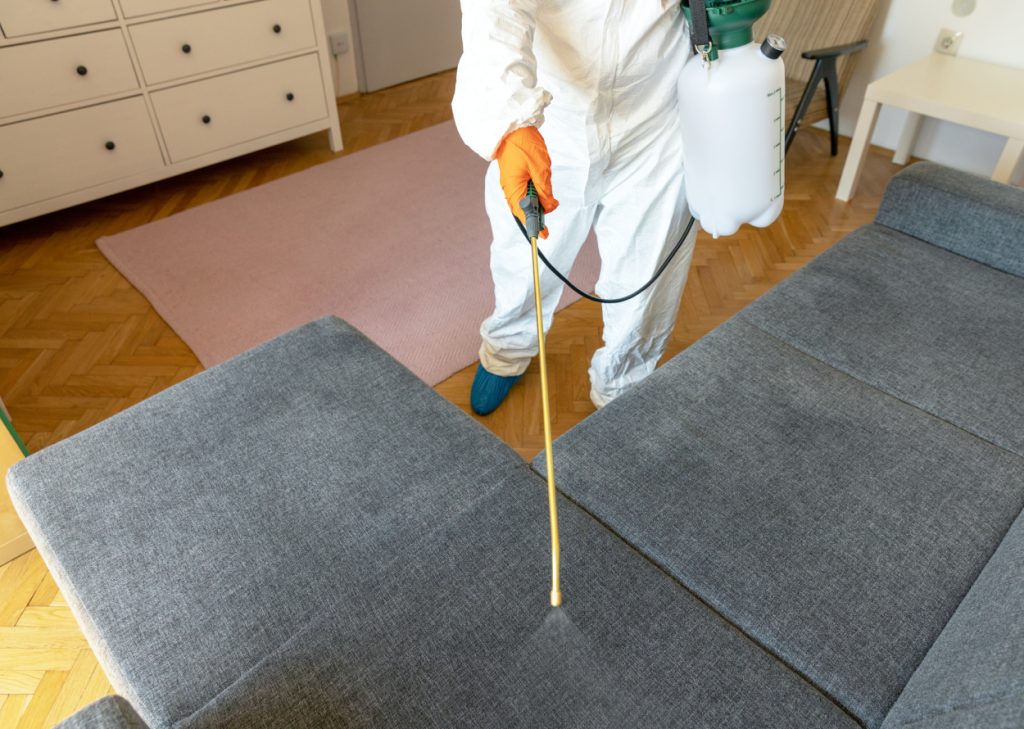
Preventive service usually looks much simpler. A technician inspects entry points, monitors pressure zones, applies targeted treatments where they are warranted, and adjusts the plan based on season and property conditions. That kind of maintenance tends to interrupt pest cycles before homeowners notice anything beyond an occasional scout insect.
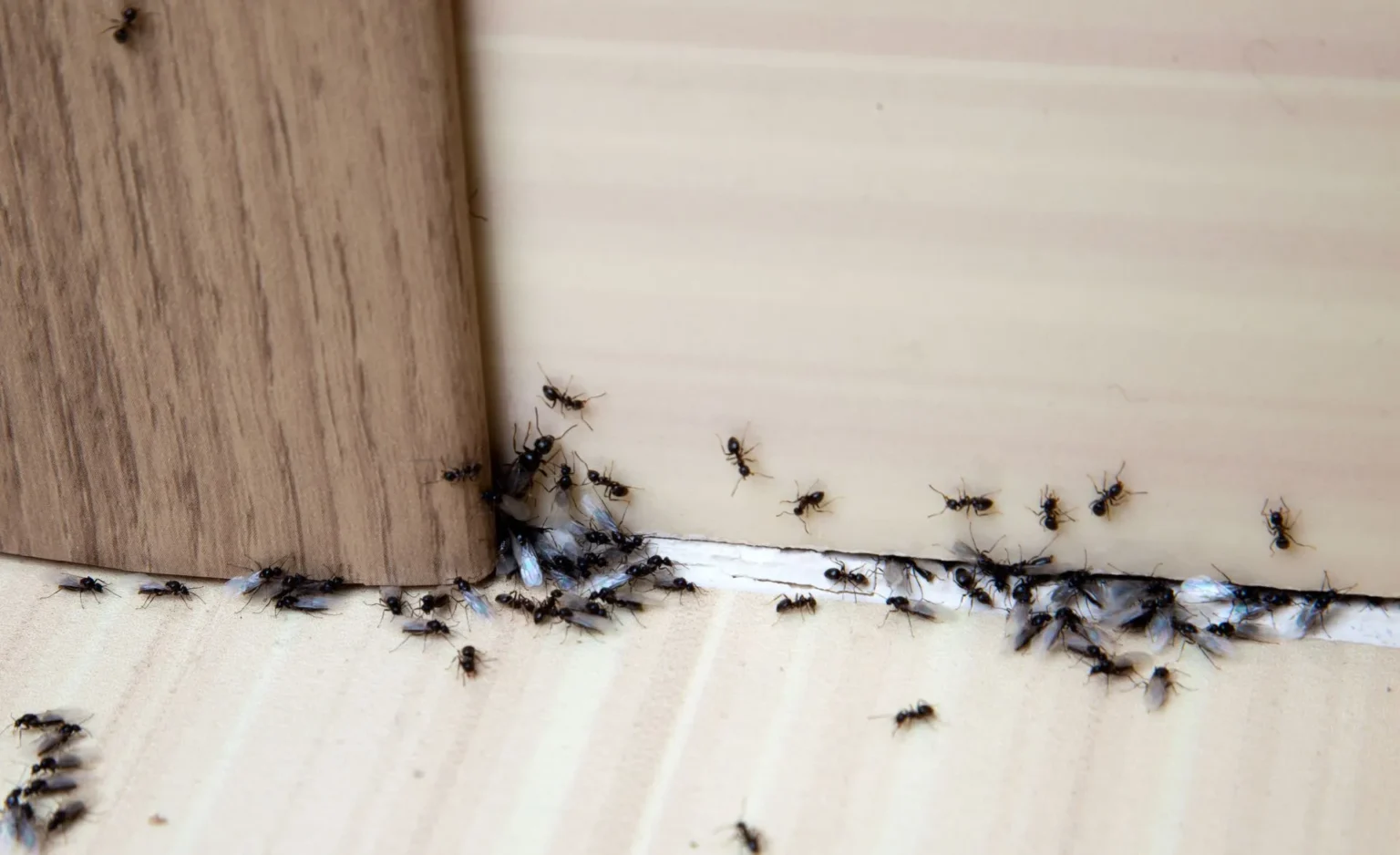
I have seen this most clearly with ants. A homeowner often calls when the first visible trail appears along a baseboard, but by that point the colony has already established a reliable route and food source. With scheduled service, those same homes are often treated around the exterior perimeter and high-risk access points before warm weather pushes colonies inward. The result is not magic. It is timing.
Rodents offer another good example. A single mouse caught in the pantry can seem minor, but mice rarely travel without a reason. They follow food, shelter, and safe access. Scheduled visits give technicians a chance to spot fresh droppings, rub marks, gnawing, or foundation gaps before the problem turns into nesting behind appliances or in attic corners.
The real value is not just killing pests
Homeowners often focus on the treatment itself, but the strongest benefit of recurring service is broader than that. Good pest control is part inspection, part risk reduction, and part documentation. The treatment matters, of course, but so does the trained eye that notices the loose door sweep, the damp crawlspace vent, or the branch resting against the roofline.
That observational piece is especially helpful for households with limited time. Most people do not routinely inspect utility penetrations, garage weather stripping, attic vents, or exterior caulking joints. A technician who sees those areas season after season can identify changes quickly. Small changes often signal bigger trouble ahead.
There is also a practical accountability benefit. When service is scheduled, maintenance becomes repeatable. If a family has had a recurring issue with spiders in the basement each fall or cluster flies near south-facing windows, a service history helps shape future treatments. Instead of starting fresh every time, the provider builds a pattern-based strategy.
Scheduled service helps smooth out seasonal pest pressure
Pests are not static. Their behavior changes with weather, moisture, temperature, and breeding cycles. A one-time treatment may help with the immediate issue, but it does not necessarily align with what happens two months later.
Spring often brings ants, termites in some regions, and early stinging insect activity. Summer can increase pressure from mosquitoes, flies, and wasps. As temperatures cool, rodents, spiders, and overwintering pests start seeking shelter indoors. In wetter climates, moisture-loving pests become a year-round concern. In drier areas, irrigation can create isolated hot spots around foundations and landscaping.
Busy homeowners usually do not track these shifts in detail, and they should not have to. A scheduled pest program accounts for them. Treatments and inspections can be adjusted to the season instead of relying on a single blanket approach.
This matters because pest issues are often cyclical. Households that call every autumn for mice or every June for ants are already on a pattern. Recurring service simply acknowledges that pattern and handles it earlier, with less disruption.
Less disruption to the household
Emergency pest calls usually happen at the worst possible time. It is the morning of a family trip and someone finds roaches in the kitchen. It is a holiday weekend and a yellowjacket nest appears near the grill. It is the night before guests arrive and there is scratching in the ceiling above the guest room.
Reactive service can still solve those problems, but it tends to interrupt life. People rearrange work meetings, pull children away from school pickup plans, move pantry goods, clear under sinks, or wait around for arrival windows. When a home has recurring service, many of those appointments are shorter, more predictable, and less urgent.
That predictability matters more than many homeowners realize. Time is not only measured in hours. It is also measured in how much stress a problem adds. A scheduled technician visit that takes place on a known timeline feels very different from a sudden scramble to deal with an infestation that can no longer be ignored.
Long-term cost tends to be lower, even when the plan seems like an added expense
Home maintenance budgets are full of line items that feel optional until they are not. Pest control sometimes falls into that category because the value is less visible on weeks when nothing dramatic is happening. Yet recurring service often reduces the more expensive outcomes that come from delayed action.
A severe infestation can create direct costs and indirect ones. Direct costs include treatment, repeat visits, damaged food, or exclusion work. Indirect costs can involve missed work, ruined insulation, chewed wiring, contaminated storage areas, or the need to replace soft materials that absorbed odor or droppings. Even when the structural damage is limited, cleanup can be unpleasant and time-consuming.
This is particularly true with rodents. A minor issue handled early may involve sealing a few entry points and setting a monitoring plan. Left alone for a season, the same issue can spread into the attic, garage, and wall voids. The bill changes because the problem changed.
The same logic applies to wood-destroying pests, although homeowners should be careful not to assume every preventive plan covers termites or specialty inspections automatically. Service plans vary. Some include termite monitoring or separate warranty options, while others focus on common household pests only. Reading the scope matters.
Families with children and pets often prefer routine over crisis
Households with young children or pets tend to be especially sensitive to pest activity, and for good reason. Pests are not just a nuisance. They can affect hygiene, trigger allergies, create bites or stings, and add anxiety in spaces where people should feel comfortable.
Routine service usually gives families more control over how treatments are scheduled and discussed. They can ask questions in advance, understand where products are being applied, and prepare according to the technician’s guidance. That is easier than making rushed decisions after discovering an active problem on the kitchen floor at 10 p.m.
Professional providers should explain treatment methods clearly, including what is being used, where, and what precautions make sense for children, pets, or sensitive individuals. In many homes, integrated pest management principles are the most sensible path. That means combining exclusion, habitat reduction, monitoring, and targeted treatment instead of relying only on broad chemical application.
That balance is one reason many homeowners stick with scheduled Pest Control Services after trying them once. They realize the service is not simply about spraying. It is about managing risk in a way that fits how the household actually lives.
It protects more than the kitchen
When people picture pest problems, they often imagine countertops and trash cans. In practice, some of the most important areas are less visible. Garages, attics, crawlspaces, utility rooms, mudrooms, and exterior storage zones frequently serve as staging grounds for larger problems.
A garage, for instance, often contains pet food, cardboard boxes, holiday decorations, seed, sports equipment, and clutter pushed against walls. It is also full of entry opportunities, from poorly sealed side doors to gaps around the main overhead door. Regular inspections can catch those vulnerabilities before they support spiders, roaches, mice, or stored-product pests.
Attics tell a similar story. Homeowners do not spend much time there, which is exactly why pests do. A technician who notices disturbed insulation, droppings, nesting material, or daylight around vent penetrations can save a homeowner from months of unnoticed activity.
For busy households, that hidden-area coverage is a major advantage. It is hard to protect spaces you rarely examine.
What scheduled service usually includes, and what it may not
Not every recurring plan is structured the same way. Some companies offer quarterly service, some bi-monthly, and some monthly depending on pest pressure and region. The best plans are tailored to the property rather than forced into a one-size-fits-all package.
Most programs commonly include:
- routine inspection of interior and exterior risk areas
- targeted treatment for common household pests
- monitoring for changes in activity between visits
- recommendations for exclusion and sanitation corrections
- follow-up service if covered pests appear between scheduled appointments
Even so, homeowners should ask direct questions. Mosquito control, termite monitoring, wildlife trapping, bed bug treatment, and heavy rodent exclusion often sit outside standard plans. A low monthly price can look attractive until a homeowner realizes that the pests causing the most concern are billed separately.
That is not necessarily a problem. Specialty services require different tools, licensing, time, and expertise. The point is to understand the boundaries of the agreement before relying on it.
The best providers act like partners, not emergency vendors
There is a noticeable difference between a company that simply responds to complaints and one that manages a property over time. The stronger providers keep notes, track patterns, and make practical recommendations that match the home’s layout and the household’s habits.
For example, a technician might notice that a family stores bulk pet food in its original paper bags in the garage. Rather than treating around the issue indefinitely, the technician recommends transferring food into sealed containers. Or a provider may observe dense ivy climbing the rear wall and explain how that vegetation bridges insects straight to upper entry points. The treatment helps, but the advice is what changes the long-term outcome.
That relationship-based approach is especially useful for households with demanding schedules. People do not need a lecture. They need clear, realistic guidance they can act on when time allows. The best technicians understand the difference.
A short delay often becomes a long problem
One of the biggest traps in home maintenance is the phrase, “We’ll deal with it next weekend.” That delay sounds harmless because many pest issues start small. A few ants near the sink. One spider in the basement. An occasional scratching sound that stops by morning.
Sometimes it really is minor. Sometimes it is the first visible sign of a problem that has been building quietly for weeks. The challenge is that homeowners rarely know which is which without experience.
Scheduled Pest Control Services reduce that uncertainty. Instead of deciding whether each new clue is serious enough to justify a call, the household already has a system in place. That system catches false alarms before they become expensive overreactions, and it catches genuine concerns before they become entrenched.
I have seen homeowners save themselves a great deal of money and frustration simply because a technician noticed an issue during a routine visit that the family had written off as “probably nothing.” In pest control, “probably nothing” is not always a safe assumption.
When scheduled service may need adjustment
Recurring service is useful, but it is not a substitute for judgment. Some homes need more frequent attention than others. A house backing up to woods, water, or open fields may face heavier pressure than a townhouse in a dense urban block. Older homes with settling gaps, original foundations, or mixed-material additions often present more entry points. Properties with extensive landscaping, outdoor kitchens, or backyard pets can create additional pest attractants.
Households should expect their service plan to evolve if conditions change. Renovations, new drainage issues, tree removal, composting, or the arrival of a new pet can all alter pest activity. Good providers revisit the plan rather than repeating the same treatment without thinking.
There are also moments when routine service is not enough and specialty intervention is necessary. A bed bug issue, a large-scale rodent infestation, or a wildlife intrusion in the attic usually requires focused work beyond a normal maintenance visit. Scheduled service still helps by identifying those issues early, but it does not replace the need for the correct targeted response.
Choosing a plan that actually fits a busy household
A service plan only works if it is practical. The cheapest option is not always the best value, and the most aggressive schedule is not always necessary. Busy households tend to benefit most from providers who communicate well, offer reasonable appointment windows, and explain findings in plain language.
A few details are worth asking about before signing up:
- how often visits occur, and whether the schedule changes by season
- what pests are covered under the standard plan
- whether follow-up visits are included between regular appointments
- what preparation, if any, the homeowner needs to do before service
- how the company handles children, pets, and sensitive treatment areas
Those questions reveal a lot about how the company operates. If the answers are vague, the service may be vague too.
It also helps to pay attention to whether recommendations are realistic. A provider who insists that perfect pest control is possible without any homeowner cooperation is overselling. Effective service depends on both treatment and conditions. The company should handle its side professionally, but homeowners still need to address food storage, moisture issues, and structural gaps when those factors are contributing.
Peace of mind has practical value
There is a phrase homeowners use after a few cycles of consistent service: “We just don’t think about pests anymore.” That is not a small benefit. In a crowded household, reducing one source of low-level worry has real value.
Peace of mind is often dismissed as soft language, but in home management it translates into something concrete. It means fewer unpleasant surprises before work. Fewer frantic calls before guests arrive. Fewer moments spent wondering if that sound in the wall is imagination or a real problem. It means one less maintenance issue competing for attention.
Scheduled Pest Control Services are not glamorous, and they are not the most visible home expense. They are effective in the same way that regular HVAC maintenance or gutter cleaning is effective. They reduce risk, preserve function, and keep small problems from demanding emergency attention later.
For busy households, that is the point. The service does not create more work. It removes a category of avoidable disruption. When a home is already asking a lot from the people living in it, that kind of reliability earns its place.
Affordable Pest Solutions LLC
Phone number: +19732299547
FAQ About Pest Control Services
How much does pest control charge?
For a standard 1,500-square-foot home, professional pest control charges generally average $100 to $300 for an initial visit, with ongoing monthly services running $40 to $75 per visit and one-time emergency exterminations costing $100 to $600, depending heavily on the specific pest and the severity of the infestation.
What is the hardest pest to get rid of?
Bed bugs are widely considered the hardest household pest to get rid of, closely followed by German cockroaches and subterranean termites.
What is included in a pest control service?
A standard pest control service includes a property inspection, targeted treatments, and prevention advice. It typically covers common pests like ants, spiders, and cockroaches, using sprays, baits, or traps.