Pest Control Services for Spiders, Silverfish, and Common Household Pests
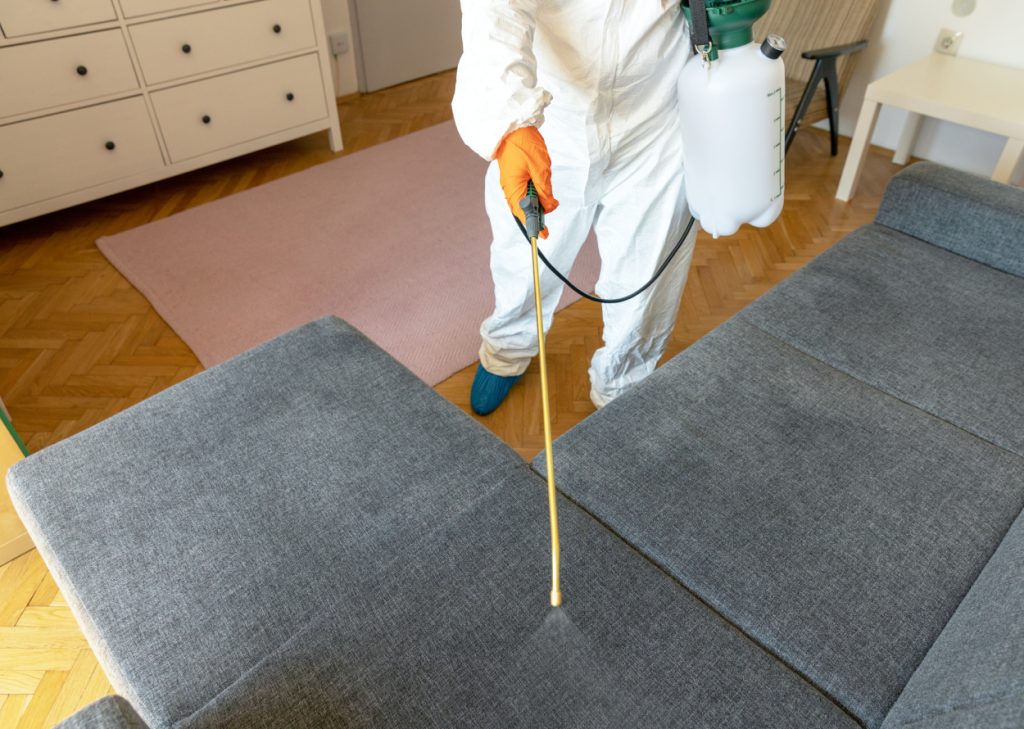


A home does not need to look dirty or neglected to attract pests. Some of the most persistent infestations show up in tidy houses, carefully managed offices, and newer buildings with tight construction. Spiders settle in quiet corners because prey is available. Silverfish thrive where humidity stays slightly too high and paper products collect undisturbed. Ants, cockroaches, and pantry pests exploit crumbs so small most people never notice them. Rodents enter through gaps that look too minor to matter until temperatures drop and they start searching for warmth.
That is why effective pest control is rarely about a single spray treatment or a one-time visit. Good Pest Control Services start with understanding how pests live, what they are drawn to, where they hide, and why they keep returning. The job is as much about inspection and correction as it is about treatment. When that balance is right, results last longer and households avoid the cycle of temporary fixes.
I have seen this play out in every kind of property. A homeowner replaces baseboards after spotting silverfish, only to discover the real issue was trapped moisture behind a bathroom vanity. A family with recurring spider activity finds that outdoor lighting near entry doors is drawing in https://elliottiezd387.capitaljays.com/posts/pest-control-services-for-winter-spring-summer-and-fall insects at night, which then draws in spiders. An apartment resident fights pantry moths for months without realizing one forgotten bag of birdseed in a hall closet is seeding the whole problem. The visible pest is often only part of the story.
What homeowners usually get wrong about household pests
People tend to divide pests into two categories, dangerous and harmless. Real life is messier. A spider may not contaminate food the way a cockroach can, but heavy spider activity tells you another insect population is supporting it. Silverfish rarely create the immediate alarm that mice or wasps do, yet over time they can damage books, wallpaper, stored fabrics, and important documents. Even pests considered minor can become expensive when they spread quietly.
Another common mistake is focusing only on the room where pests were seen. Most infestations are not centered where sightings happen. Spiders often rest where people notice them, but their feeding zones may be near garages, crawl spaces, utility penetrations, or porch lighting. Silverfish appear in sinks, tubs, or storage boxes, but they usually originate in humid voids, attics with poor ventilation, basement corners, or wall cavities near plumbing. Ant trails on a kitchen counter can trace back to a gap around a window frame or a shrub touching the siding outside.
DIY products can help in limited situations, but they often fail because they are used too broadly or too casually. Over-the-counter foggers, for example, make people feel proactive, yet they rarely reach the cracks, voids, and hidden pathways where pests actually live. Worse, some products scatter insects deeper into wall voids or contaminate surfaces without addressing the source. Professional service is valuable not because every pest problem is severe, but because accurate diagnosis matters.
Spiders, why they show up and what real control looks like
Most spider complaints begin with the same sentence: “We keep seeing them everywhere.” That description is understandable, but from a control standpoint it is not specific enough. The kind of spider, where it was found, whether webs are present, and what time of year activity spikes all matter. House spiders, cellar spiders, wolf spiders, jumping spiders, and occasional invaders from outside behave differently. Treatment that works for one pattern may barely affect another.
In many homes, spiders are secondary pests. They are not coming inside because your house itself is especially attractive. They are following food. If an exterior wall has heavy insect activity from landscape lighting, moisture-loving insects near mulch beds, or gaps that allow flies and beetles indoors, spiders benefit. Reduce the prey base, and spider pressure usually drops with it.
That is why serious spider control often starts outdoors. Eaves, soffits, garage door frames, window trims, and foundation lines are inspected for webs, harborage, and insect traffic. Technicians look for vegetation touching the home, clutter near the foundation, and exterior light placement. Inside, attention goes to garages, basements, utility rooms, storage areas, and upper corners where webs accumulate undisturbed.
A well-handled spider service usually involves web removal, targeted crack-and-crevice treatment, and changes to the environment. Web removal sounds simple, but it matters more than many people think. When old webs stay up, spiders return to proven sites. Removing them disrupts the pattern and also gives you a clearer read on new activity. If webs reappear in the same spot within days, that location likely needs closer inspection for prey insects or hidden access points.
Brown recluse and black widow concerns deserve separate mention because public fear around them is intense. In areas where those species are established, identification matters. I have seen harmless house spiders trigger expensive panic, and I have also seen true widow harborage overlooked in outdoor furniture, meter boxes, and garage corners because people assumed all dark spiders were the same. A professional should be honest about the level of risk, the likelihood of breeding sites, and whether the sighting reflects a single incidental intruder or a broader problem.
Silverfish are quiet, stubborn, and often misunderstood
Silverfish are one of the most underestimated household pests. They do not sting, they do not bite, and they are usually seen only briefly as they dart away from light. For that reason, homeowners often delay action until the infestation is established. By then, the insects may have spread well beyond the bathroom where they were first noticed.
These pests favor darkness, high humidity, and starchy materials. Paper, cardboard, book bindings, wallpaper paste, some fabrics, dry food residues, and even glue can support them. Bathrooms, laundry rooms, basements, attics, and closets are common trouble spots, especially where ventilation is poor. In older homes, silverfish can persist in wall voids and beneath flooring. In newer homes, they often take advantage of trapped moisture, tightly sealed spaces, or stored boxes that remain untouched for long periods.
Control requires more than applying product around baseboards. Moisture reduction is central. If a room consistently stays humid, treatment may knock down the visible population without solving the long-term problem. Dehumidifiers in basements, better bathroom exhaust use, repairing small plumbing leaks, and reducing dense storage against walls can all make a major difference. In archive rooms, linen closets, and storage-heavy basements, simple reorganization often improves results as much as the insecticide program.
Silverfish are also a good example of why follow-up matters. They hatch from eggs hidden in cracks and secluded spaces, and they can survive in conditions where food seems scarce. A single treatment may reduce sightings without fully collapsing the population. Good Pest Control Services usually set expectations upfront, especially if the home has extensive cardboard storage, ongoing humidity issues, or inaccessible voids.
The broader category of common household pests
Homes rarely have just one pest issue in complete isolation. Someone calling about spiders may also have springtail activity around windows, occasional centipedes in the basement, or ants entering near the patio door. A silverfish complaint may exist alongside carpet beetles in storage areas or drain flies near a utility sink. That overlap is normal.
Ants are among the most frequent service calls because they move quickly from nuisance to frustration. The challenge with ants is that surface sprays can disrupt foraging trails without eliminating the colony. Species matters. Odorous house ants, pavement ants, carpenter ants, and pharaoh ants all call for different judgment. Carpenter ants, in particular, raise concerns about moisture-damaged wood and hidden nesting sites. When a technician finds frass near a window frame or inside a wall void, the pest problem becomes a building maintenance issue too.
Cockroaches are less forgiving than many other pests because they multiply quickly and create sanitation and health concerns. Even a light infestation requires urgency. In apartments and multi-unit buildings, control also depends on what is happening in neighboring units, shared walls, trash areas, and utility lines. A skilled service plan has to account for the building, not just the apartment where the complaint originated.
Pantry pests are often surprisingly emotional for homeowners because they affect food and create the sense that the kitchen is no longer clean. Flour beetles, grain moths, and weevils usually arrive inside packaged goods rather than from outdoors. Treatments help, but the key is locating the infested source. I have seen people discard half their pantry and still miss the real breeding site, often pet food, birdseed, decorative grains, or a backup bag of flour stored in a laundry room.
Rodents deserve their own category because they combine contamination risk with structural access issues. When mice are involved, sealing gaps is not optional. If access remains open, trapping and baiting become recurring maintenance instead of lasting control. The best rodent work is usually the least glamorous: flashlight inspection, exclusion around utility lines, repair of door sweeps, and persistent checking of low-visibility entry points.
Signs it is time to call professional Pest Control Services
Many people wait longer than they should because they hope a few sightings are random. Sometimes they are. Often they are not. Calling earlier usually means a smaller problem, fewer treatments, and less disruption.
- Repeated sightings in the same room or at the same time of day
- Webs, droppings, shed skins, egg cases, or damaged packaging
- Pest activity that returns soon after DIY treatment
- Insects or spiders appearing in multiple areas of the home
- Concerns involving children, pets, allergies, or sensitive storage areas
That list is not about panic. It is about pattern recognition. A single spider by the front door may not justify service. Several spiders per week in different rooms, coupled with webs in the garage and insects gathering around exterior lights, points to a system that needs attention.
What a thorough service visit should include
The quality gap in this industry is rarely about the chemical itself. It is usually about inspection time, communication, and whether the technician understands pest behavior well enough to adapt. Homeowners often assume all service visits are basically the same. They are not.
A good initial visit feels investigative. The technician asks where pests are seen, when activity is highest, and what has already been tried. They look behind appliances when needed, inspect moisture-prone areas, evaluate exterior conditions, and identify likely entry points. They should also explain what they are seeing in plain language. If silverfish are linked to humidity and stored cardboard, say that clearly. If spiders are thriving because the garage is full of prey insects, explain the chain.
Treatment should be targeted, not theatrical. More product is not automatically better. In fact, overapplication can be counterproductive and unnecessary. Crack-and-crevice work, void treatments where appropriate, dusts in certain concealed areas, exterior perimeter applications, baits for selected pests, and mechanical removal all have their place. The best plan depends on the species and the structure.
Homeowners should also expect practical advice. Not generic warnings, but site-specific recommendations. Move firewood farther from the wall. Replace a damaged weather strip. Run the bathroom fan longer after showers. Store dry goods in sealed containers. Thin out stacked cardboard in the basement. These details matter because they cut off the conditions pests rely on.
The balance between treatment and prevention
Prevention is one of the most overused words in pest control marketing, but it is still the right word when it is backed by specifics. In real homes, prevention is about reducing opportunity. Pests need food, water, shelter, and access. Remove one or more of those consistently, and pressure drops.
That does not mean every home can become pest-proof. Older homes settle and develop gaps. Landscaping matures and touches siding. Weather shifts insect pressure seasonally. Multi-unit properties share risk across walls and hallways. The goal is not perfection. The goal is control that is realistic and sustainable.
This is where routine service makes sense for some households and not for others. A detached home with mild seasonal ant activity may only need occasional treatment and better exclusion work. A property near woods, water, or heavy vegetation, or one with chronic spider and occasional invader pressure, may benefit from scheduled visits. Homes with finished basements, extensive storage, or previous rodent entry often do better with proactive monitoring. The right schedule depends on environment, construction, and pest history.
Special concerns for families, pets, and sensitive spaces
One of the first questions people ask is whether treatment is safe for children and pets. That is the right question, but the answer should never be glib. Safety depends on the product, the application method, the placement, the dose, the ventilation, and whether instructions are followed. A professional should explain these factors without dismissing concerns.
Targeted applications are generally preferable to broad, indiscriminate treatment. Baits placed in inaccessible locations, crack-and-crevice applications rather than exposed surface sprays, and dusts used correctly in voids can all reduce unnecessary exposure. In homes with aquariums, reptiles, birds, medically fragile occupants, or severe chemical sensitivities, communication becomes even more important. Good providers adjust methods and timing when needed.
Sensitive spaces matter too. Libraries, home offices with archived records, craft rooms, and textile storage areas deserve special attention because pests such as silverfish and carpet beetles can damage materials long before people notice. In those cases, treatment is only one part of the solution. Storage upgrades, humidity control, and regular inspection become part of long-term protection.
Seasonal patterns that affect service planning
Pest pressure changes with the calendar, and homeowners who understand that tend to get better results. Spring often brings ant emergence, increased spider prey, and occasional invaders waking up as temperatures stabilize. Summer can intensify exterior insect activity, which in turn supports more spiders around eaves, garages, and patios. Late summer and early fall are common times for pantry pest discovery because warm conditions speed reproduction in stored products. Fall also drives rodents and certain insects indoors as outdoor shelter becomes less reliable.
Winter does not eliminate pest issues. It changes them. Indoor heating can push silverfish deeper into humid protected spots. Rodents become more noticeable once they settle into wall voids and storage areas. Cockroach activity in warm, food-rich environments continues year-round. That is one reason seasonal service should not be based on habit alone. It should match the pests most likely to become active on the property.
When the building itself is part of the problem
Some pest issues persist because the structure is helping them. A loose crawl space vent screen, chronic condensation in an attic, missing mortar around utility penetrations, or landscaping that holds moisture against the foundation can all undermine treatment. This is especially true with silverfish, carpenter ants, rodents, and recurring spider complaints.
The most useful pest professionals are willing to say when a repair is needed. If a dehumidifier is essential, that should be stated plainly. If door sweeps are failing, or attic ventilation is poor, or a leaking exterior faucet is creating ideal conditions for insects, those are not side notes. They are core parts of the case.
Homeowners sometimes resist this because they want the service call to solve everything on its own. That is understandable. But durable pest control often sits at the intersection of treatment, sanitation, moisture management, and exclusion. When all four line up, results improve quickly.
How to get the best value from a service plan
Price matters, but the cheapest option can become expensive if the problem drags on. The better question is what you are getting for the cost. Are inspections thorough or rushed? Is the provider identifying pests accurately? Are they adjusting the plan based on what they find, or repeating the same treatment regardless of conditions? Do they discuss follow-up expectations honestly?
Homeowners can help the process by preparing the space. That does not mean scrubbing the house top to bottom. It means improving access where pests are active, reducing clutter in key areas, reporting all sightings accurately, and completing recommended maintenance steps. If silverfish are active in a packed basement, treatment works better when stored boxes are not pressed tightly against every wall. If rodents are entering through a utility gap in the garage, sealing it promptly matters as much as placing traps.
For many households, the best value comes from a provider who combines restraint with thoroughness. Not someone who promises miracles after one visit, and not someone who relies on fear. Effective Pest Control Services are practical. They identify what is happening, explain why, treat what needs treatment, and help change the conditions that allowed the problem to develop.
A measured approach gets better results
Spiders, silverfish, and common household pests do not all carry the same risk, but they share one important trait: they exploit opportunities people often overlook. A crack under a side door. Cardboard stacked in a damp basement. A porch light that attracts night-flying insects. A minor leak under a sink. Each detail seems small on its own. Together, they create a habitat.
That is why professional pest control works best when it respects the biology of the pest and the realities of the property. Quick fixes have their place, but lasting relief comes from inspection, accurate identification, targeted treatment, and prevention grounded in the way people actually live. Whether the issue is spiders in the garage, silverfish in storage, ants in the kitchen, or a mix of ordinary household pests, the goal is not to make a home sterile. It is to make it less inviting to the species that do not belong there.
Affordable Pest Solutions LLC
Phone number: +19732299547
FAQ About Pest Control Services
How much does pest control charge?
For a standard 1,500-square-foot home, professional pest control charges generally average $100 to $300 for an initial visit, with ongoing monthly services running $40 to $75 per visit and one-time emergency exterminations costing $100 to $600, depending heavily on the specific pest and the severity of the infestation.
What is the hardest pest to get rid of?
Bed bugs are widely considered the hardest household pest to get rid of, closely followed by German cockroaches and subterranean termites.
What is included in a pest control service?
A standard pest control service includes a property inspection, targeted treatments, and prevention advice. It typically covers common pests like ants, spiders, and cockroaches, using sprays, baits, or traps.